THE RIVER
The journey through art and humanity
It is absurd, unsettling, and at the same time of the utmost necessity — in times of war, displacement, relentless violence, and growing economic hardship — to place the human being at the center of art.
In an era defined by the fierce struggle for the resource of attention, when, amid increasing inhumanity, people are trampled underfoot, bombed almost by the minute into a living hell — lives, existences destroyed, terrorized, annihilated — when human beings are driven into fear by all the means humanity itself has devised.
In times when nations and communities are being torn apart, when societies divide and rage against one another, when politics and people fight bitterly over which nations, which peoples, which faiths are deemed important enough — in the eyes of others — to be erased, excluded, exterminated.
When, if not now, should we speak of humanity?
It is a great honor for me to have been invited by the European Cultural Centre to take part in the international art event of the 61st Venice Biennale — an event that brings together artists from more than 150 countries to speak through their art about what truly matters in our world today.
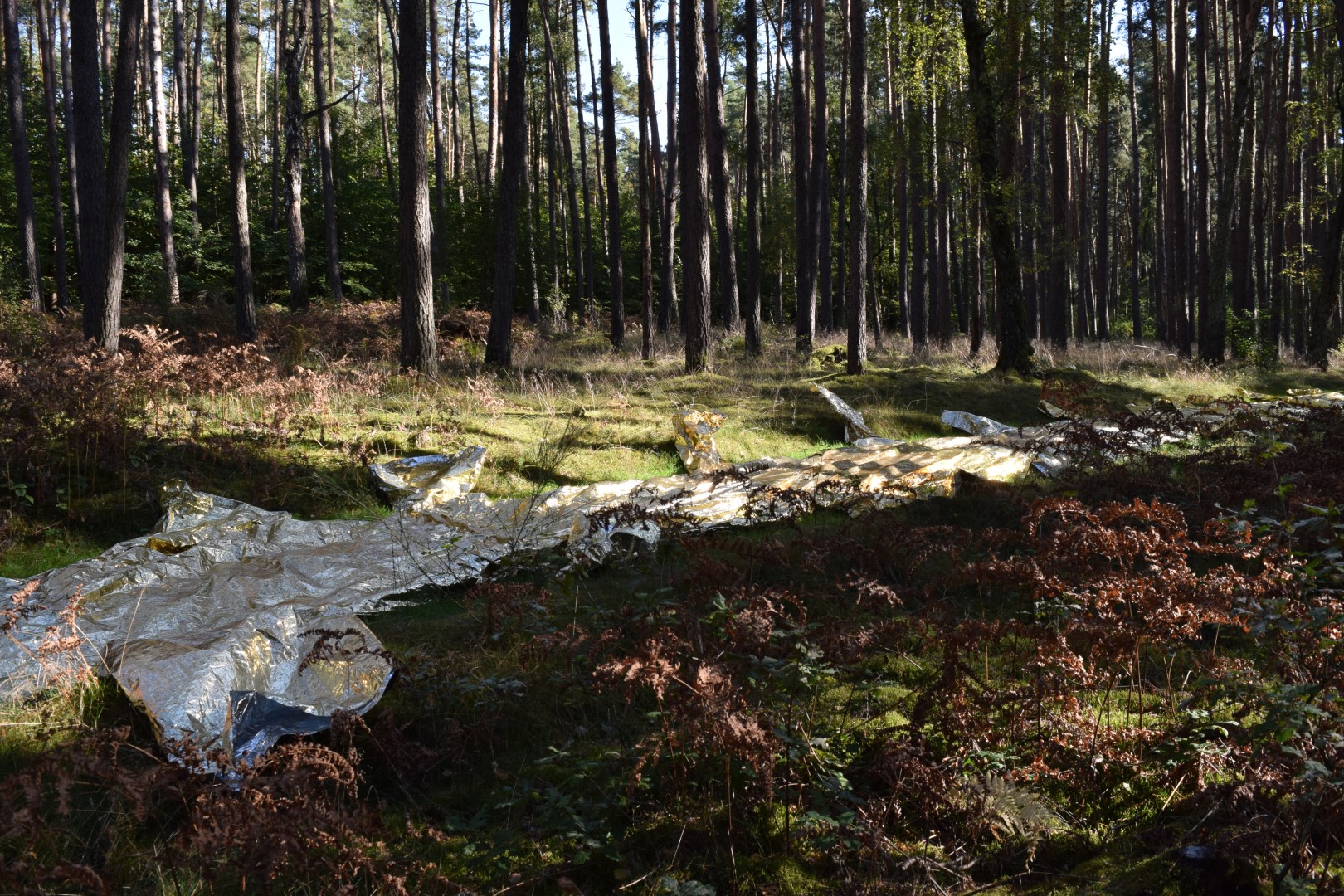
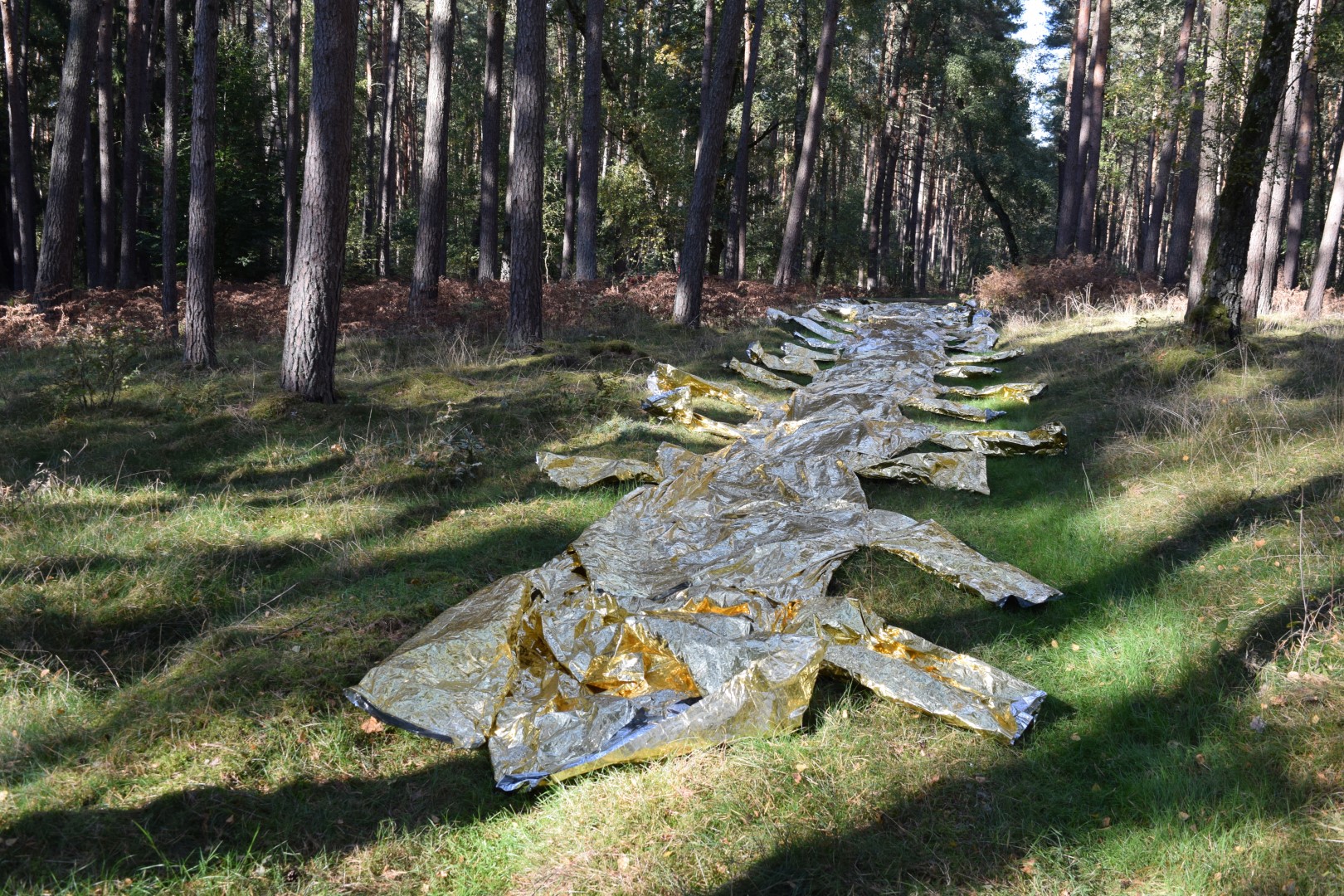
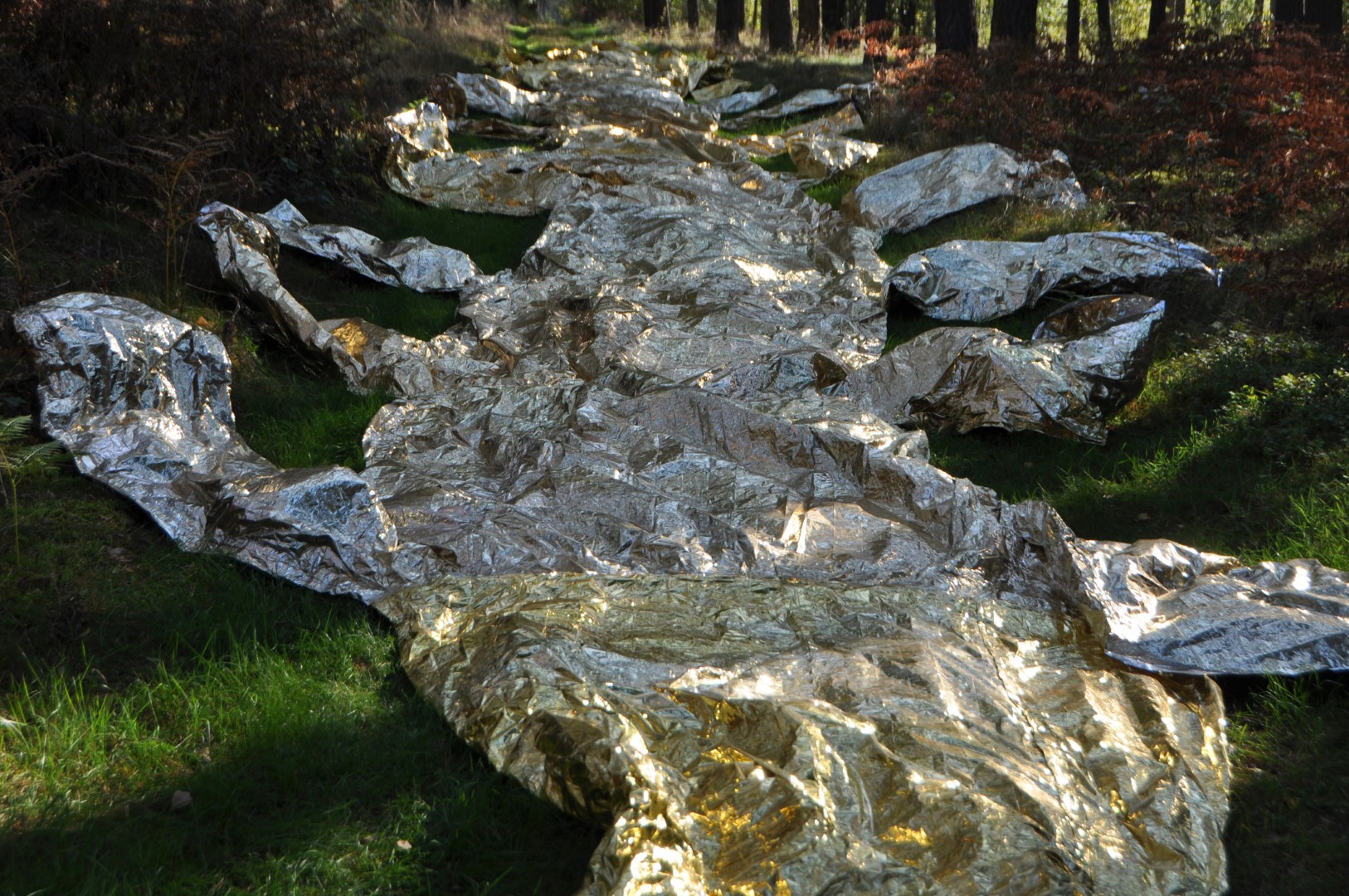
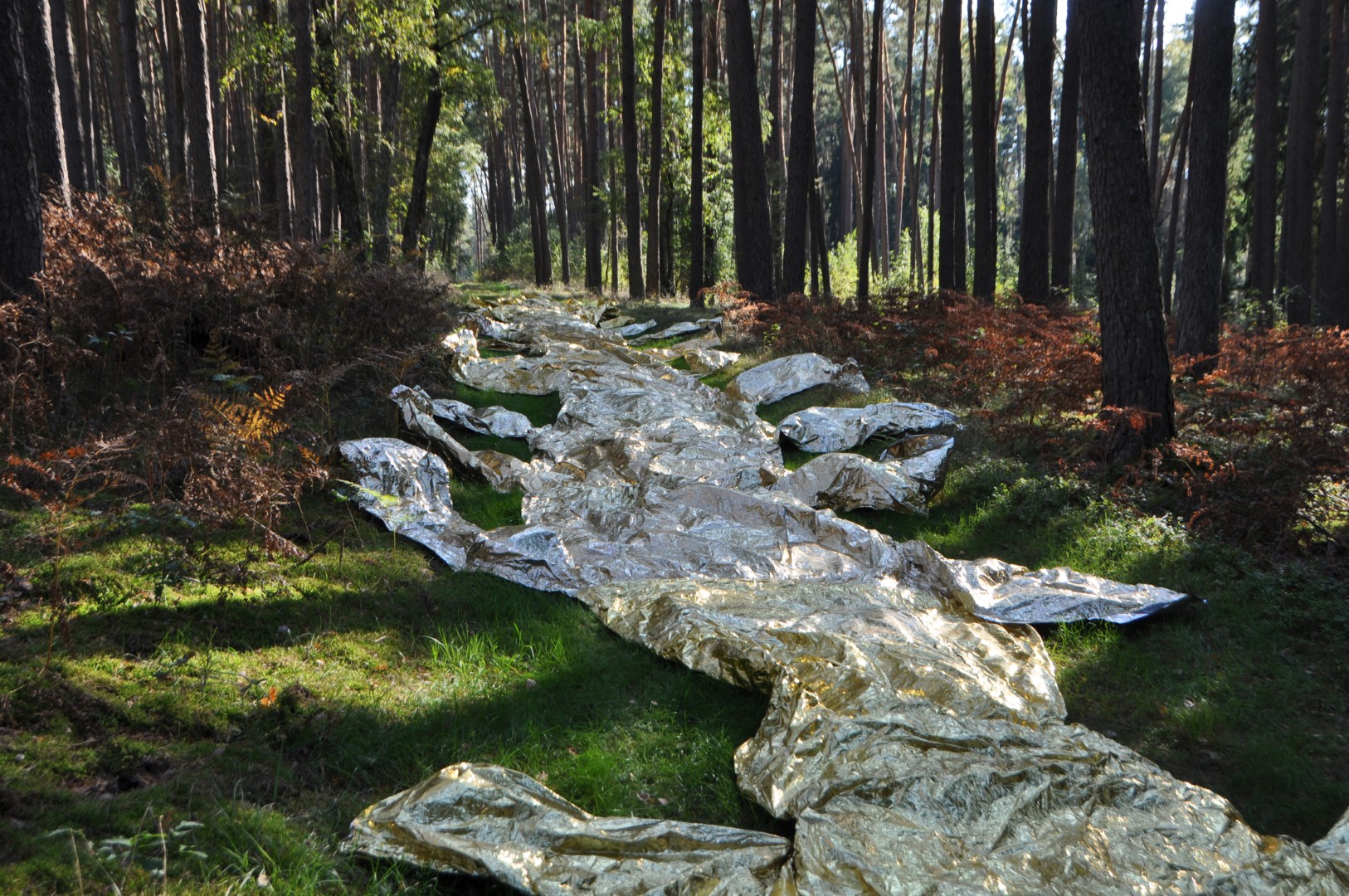
Not only have I been invited as an artist — but specifically with my project DER FLUSS (THE RIVER), a work that speaks of human history and transformation: of what happens when the river ceases to flow, when it freezes in the cold, becoming a pillar — heavy, tragic, bearing the weight of the earth.
The total artwork DER FLUSS emerged in the final days of 2024.
It was conceived and developed by me specifically for the Documentation Center of the former Stasi Remand Prison in Rostock — a place where people were imprisoned not because they were proven guilty, but merely on suspicion or accusation, exposed to state terror.
Now, as the concept begins to take its next steps, I would like to emphasize something essential:
this project was born in Mecklenburg, developed by me in Mecklenburg — and the honor I speak of also belongs to Mecklenburg-Vorpommern.
It is important — especially in these times — that not only messages from the outside are received, but that vital messages from within our own region are sent out into the world.
In this sense, and with this intention —
DER FLUSS – a Hundrich Project
Performance: Saed Mansour | Music: Theo Jörgensmann
Introduction
In a time marked by war, displacement, violence, and growing social division, THE RIVER places the human being at the center of art.
This project refuses any classification by origin, religion, nation, or ideology. It speaks of what connects us all — our indivisible humanity.
Artistic Concept
THE RIVER is not a retrospective work, but an artistic voice for the present.
It tells of those whose names have been forgotten, whose dignity has been erased, whose lives have been destroyed.
Yet a human being is more than what has been taken from them — they are memory, presence, and future.
THE RIVER is a monument of light and shadow, a space of silence, encounter, and questioning.
It connects past, present, and future.
It is not a call for revenge, but a human response to inhumanity — a sign of compassion, solidarity, and democracy.
THE RIVER in Art History
The project stands in the tradition of great memorials — from Maya Lin’s Vietnam Veterans Memorial to the Holocaust Memorial in Berlin.
It unites performance, sculpture, and social intervention, echoing the works of Joseph Beuys, Marina Abramović, and Santiago Sierra.
The use of rescue blankets refers to the aesthetic strategies of Ai Weiwei and the Arte Povera movement.
Beyond that, THE RIVER carries the potential to exist permanently as a public sculpture — comparable to works by Richard Serra or Jenny Holzer.
Thus, THE RIVER becomes more than an artistic work — it becomes a cultural and political statement:
a visible sign for democracy, freedom, and human dignity.
Personal Connection
The project is deeply rooted in my own biography, in my experiences, and in my artistic exploration.
It arose within the tension between places of remembrance — such as the Stasi prison in Rostock — and current political developments.