The term “Hochstapeln” (literally “stacking high”) describes two interconnected forms of accumulation: a material one and a social one.
Physical stacking is, first of all, a principle of order. Individual elements are placed on top of one another, condensed, and brought into a relationship of weight, balance, and height. Through this vertical organization, a new spatial condition emerges. The stack not only creates structure, but also opens an additional space—physically, structurally, and conceptually.
Social stacking, by contrast, refers to the accumulation of identities, titles, narratives, and promises. Through repetition and collective acceptance, constructions of authority and credibility emerge that become socially effective. Here too, a space of perception is formed in which reality is not simply given, but actively produced.
My contribution to the exhibition examines these two dimensions of stacking and expands them with a third position: the performative act. Sculpture, drawing, and performance interlock and reveal how history, language, and social order arise through processes of condensation.
Chapter 1 – THE RIVER that Became the Pillar of the Earth
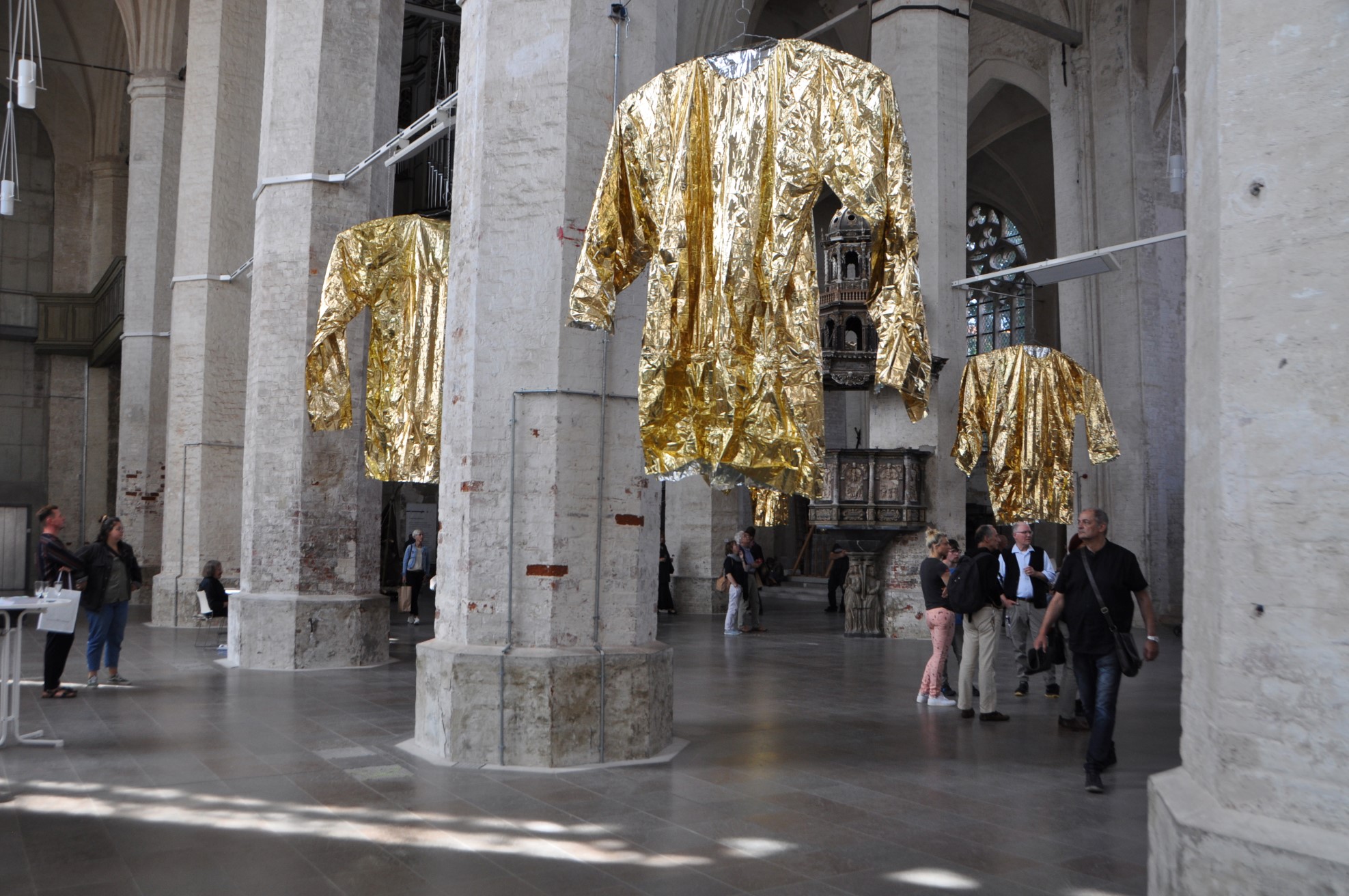
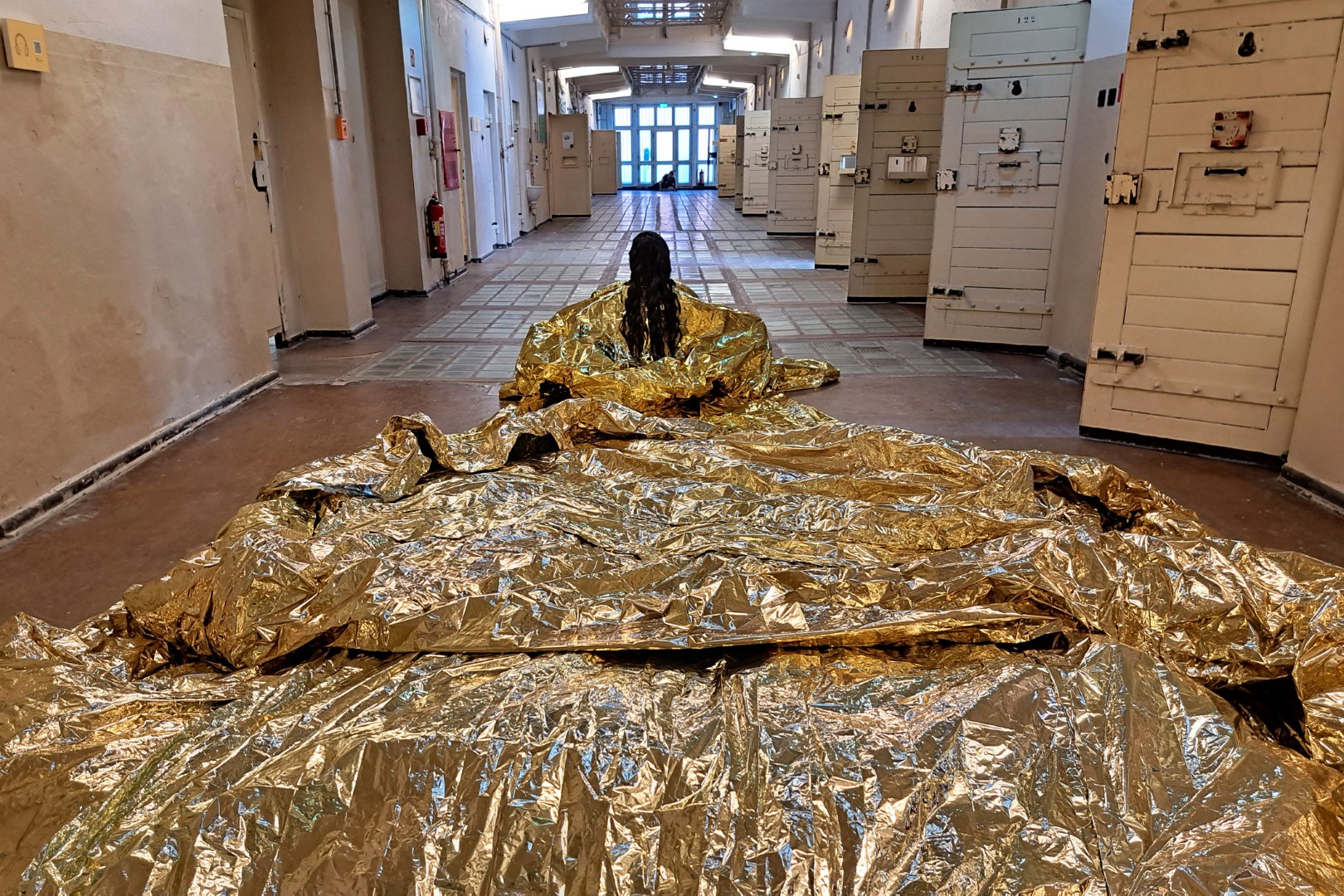
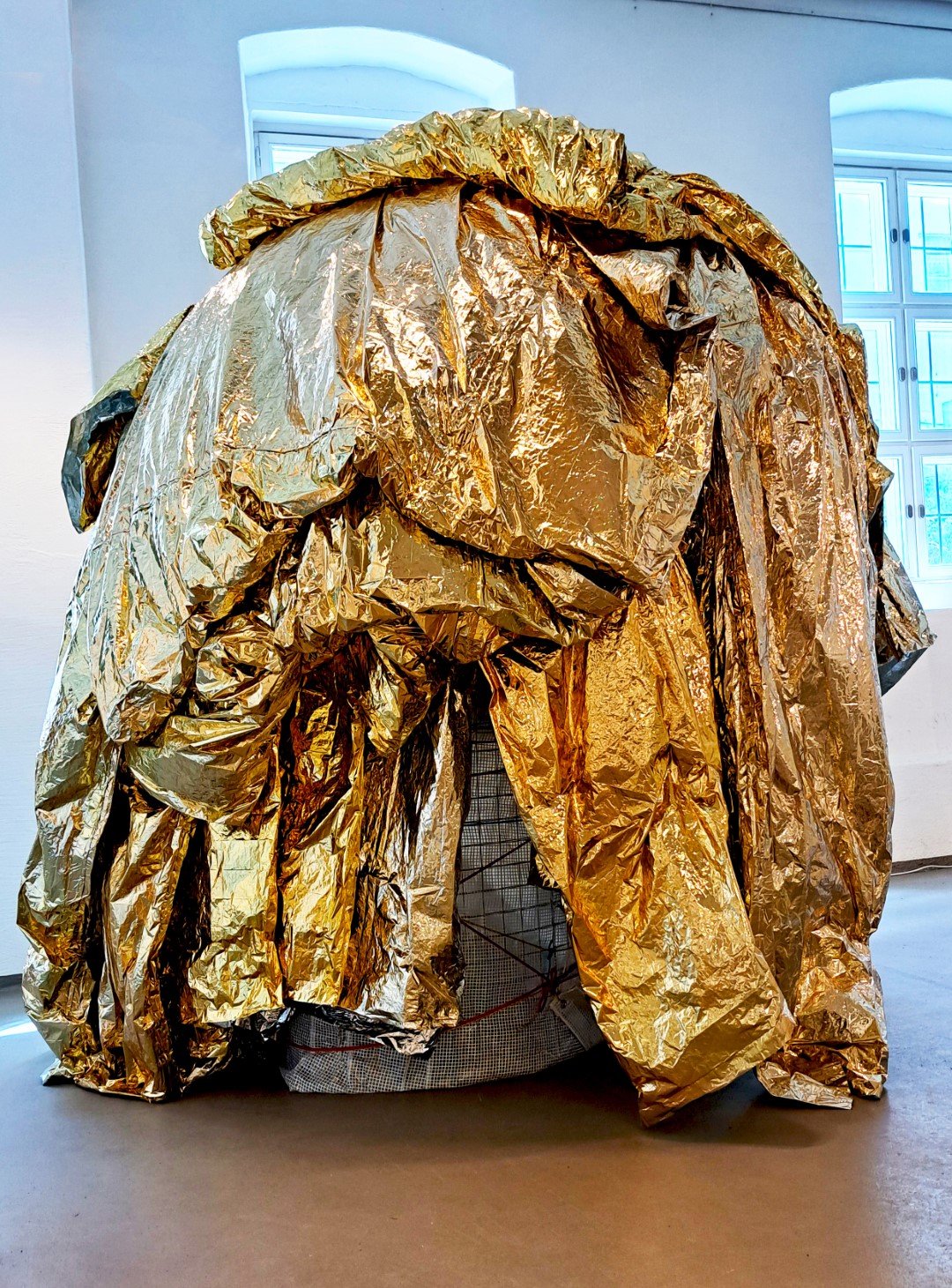
The starting point is an oversized emergency shirt made of thermal rescue blankets, created in 2022 in response to Russia’s invasion of Ukraine. The work is dedicated to those who, in war and displacement, count not days but seconds.
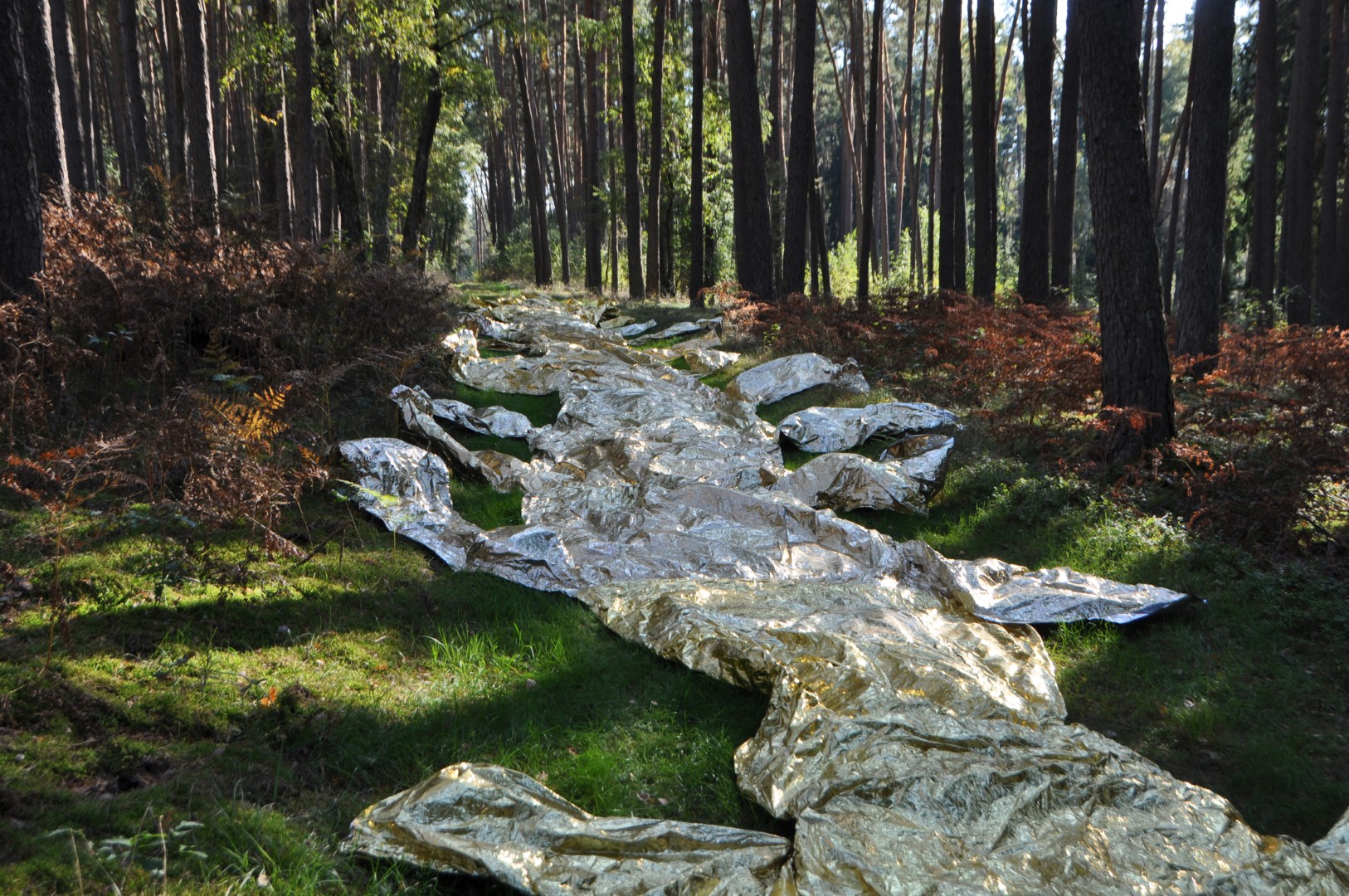
As war, displacement, and destruction spread, the number of emergency shirts increased. Sewing them together produced a continuous “river” of human events—a road of suffering composed of individual and collective catastrophes.
Within the exhibition concept “Hochstapeln,” this horizontal current is transformed into a vertical form. The emergency shirts are stacked over a prepared column, creating a tree-like structure whose sleeves hang down like branches.
The linear movement of history becomes an upright body:
THE RIVER – that became the Column of the Earth.
The work condenses historical events into a form that is both supporting and oppressive. It makes visible the weight of history, building layer upon layer across generations.
Chapter 2 – The Drawings
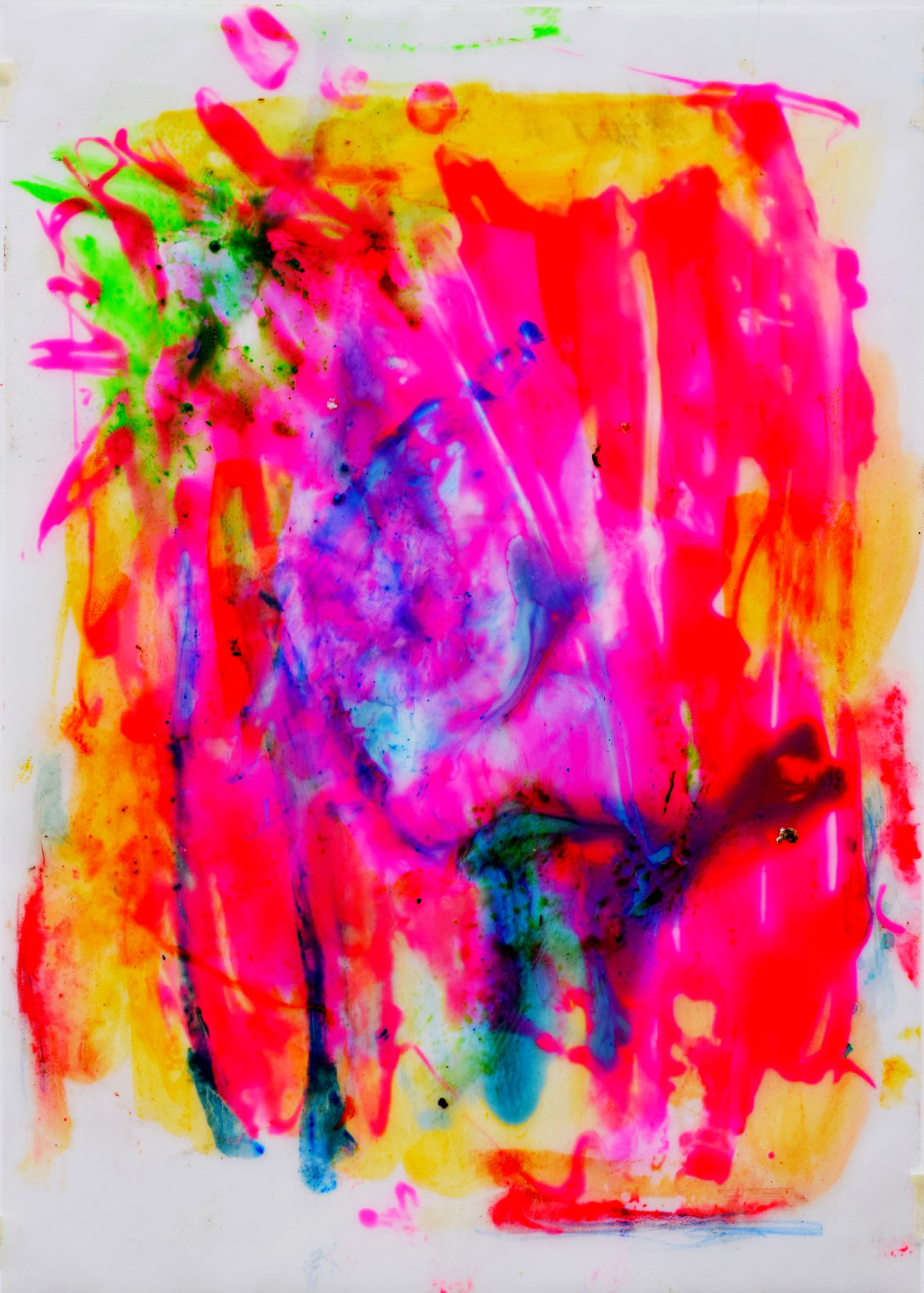
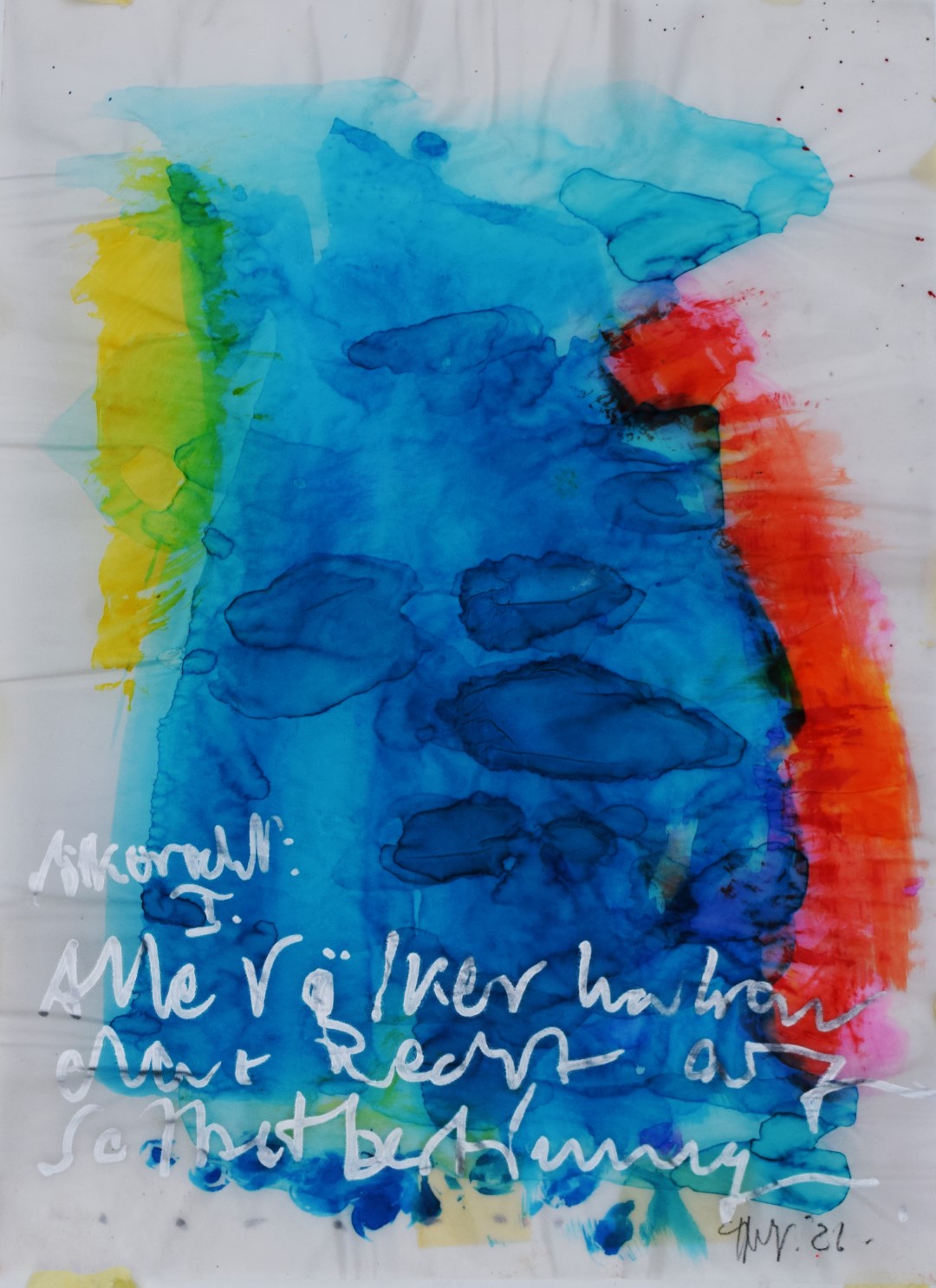
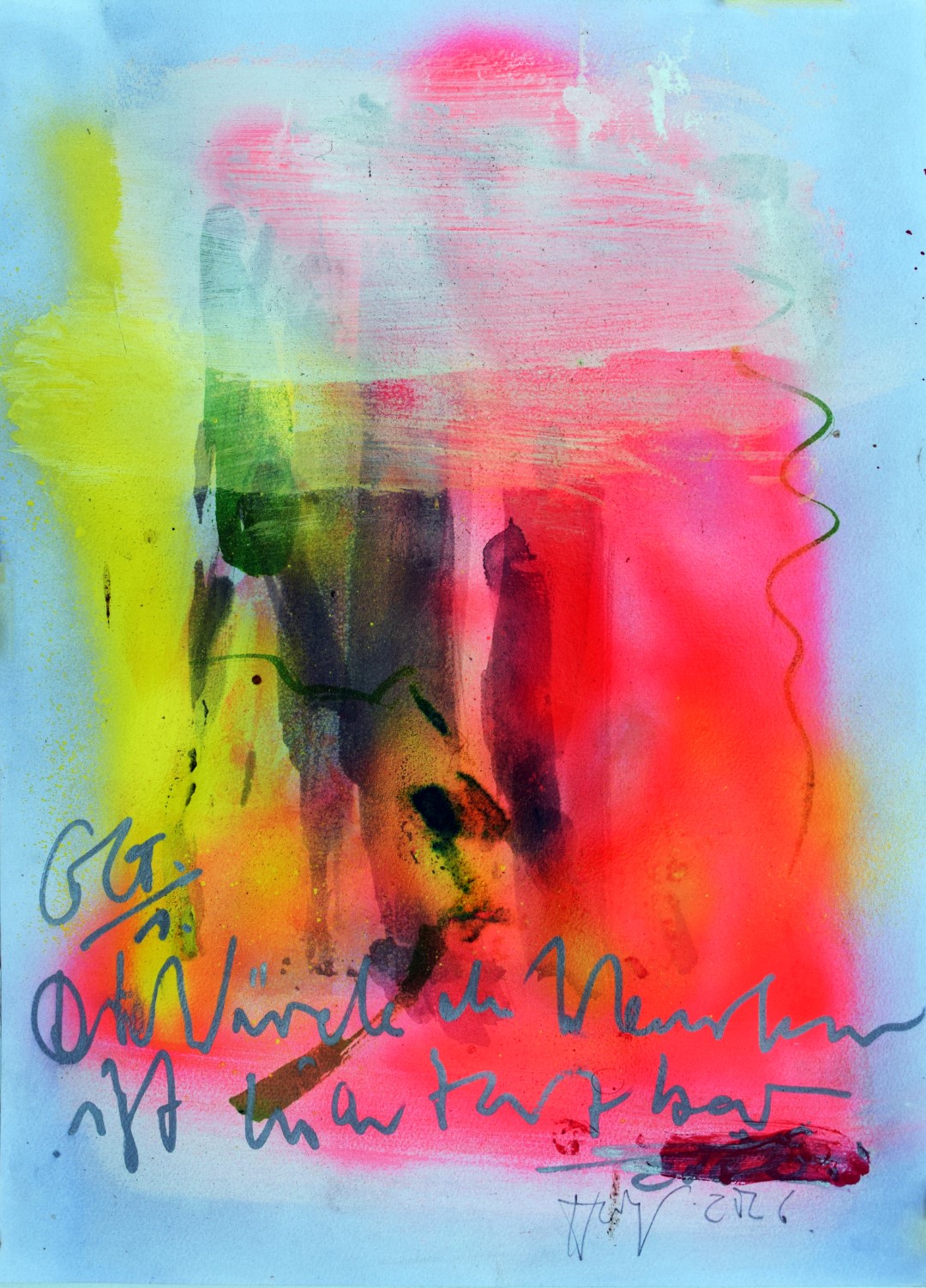
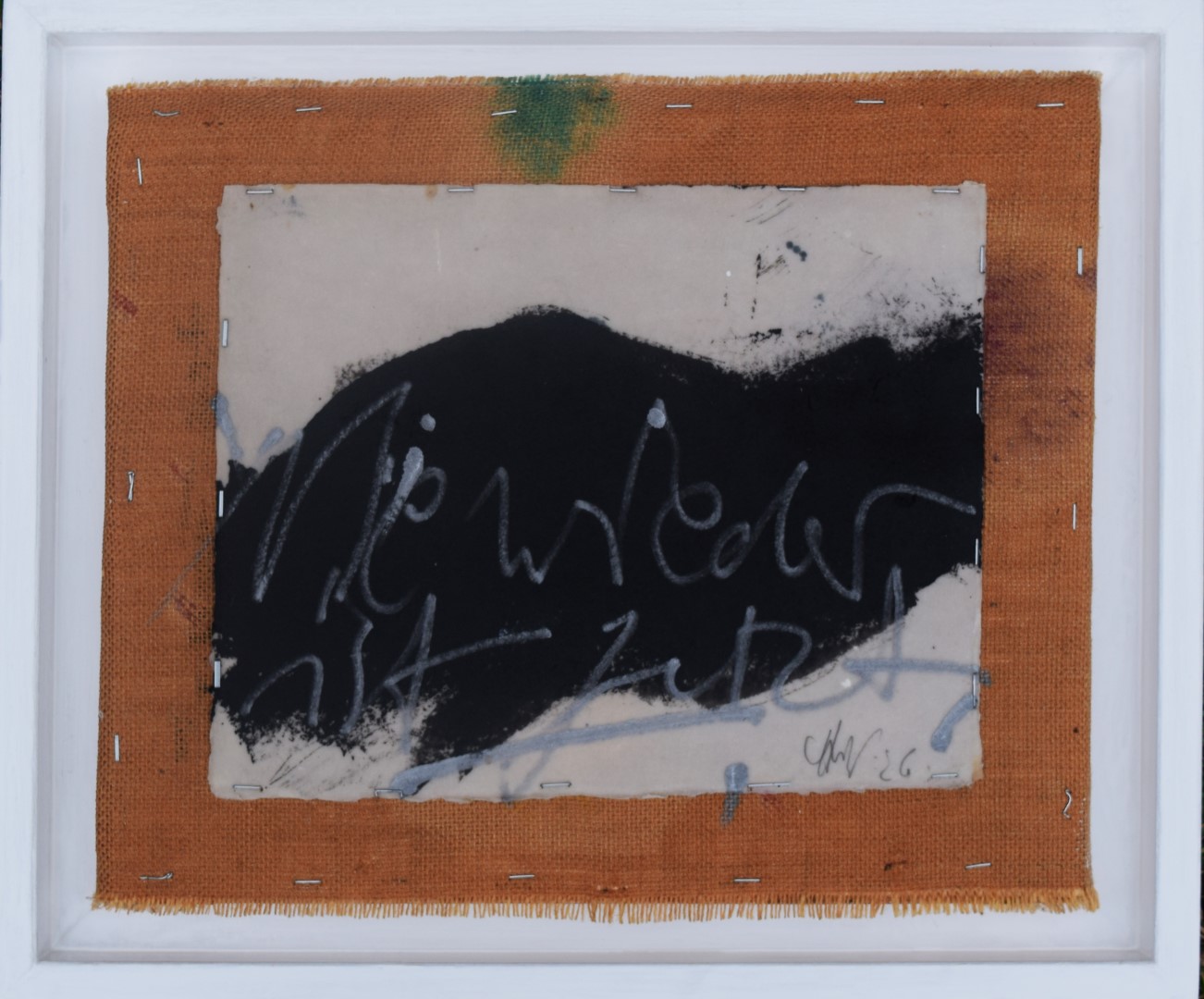
The drawings refer to fundamental normative statements of modern societies and confront their claims with contemporary developments.
They are based on three central formulations:
- the right of peoples to self-determination (Article 1 of the UN Charter),
- Article 1 of the German Basic Law: “Human dignity shall be inviolable,”
- and the statement “Never Again Is Now.”
These statements form layers of political and moral order. They are expressions of historical experience and social promises that have accumulated over decades.
The drawings examine this normative structure in relation to war, violence, social brutalization, and growing antisemitism. They place the articulated claim in direct confrontation with observable reality.
In this way, they reveal how ideals and reality are layered upon one another—and how the great visions of a more humane world repeatedly shatter against the conditions of the present.
Chapter 3 – THE PROMISE
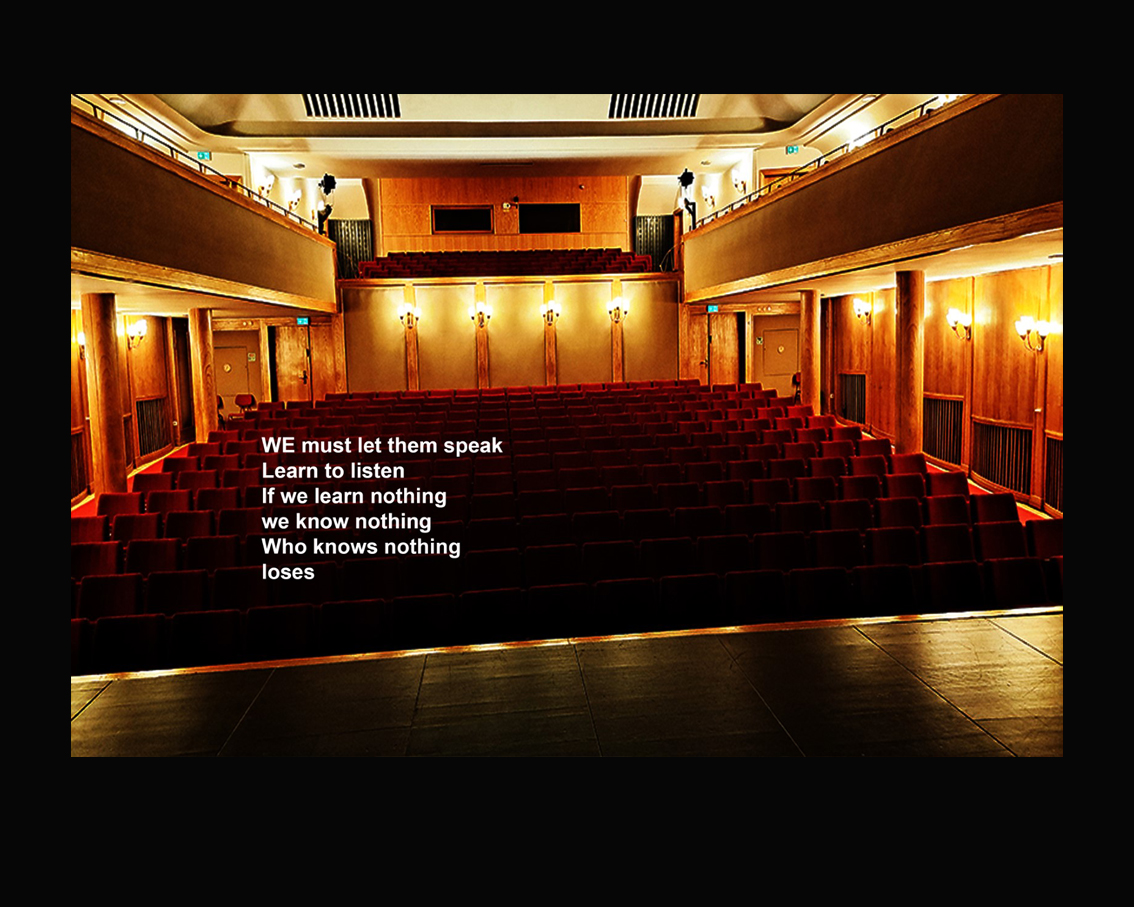
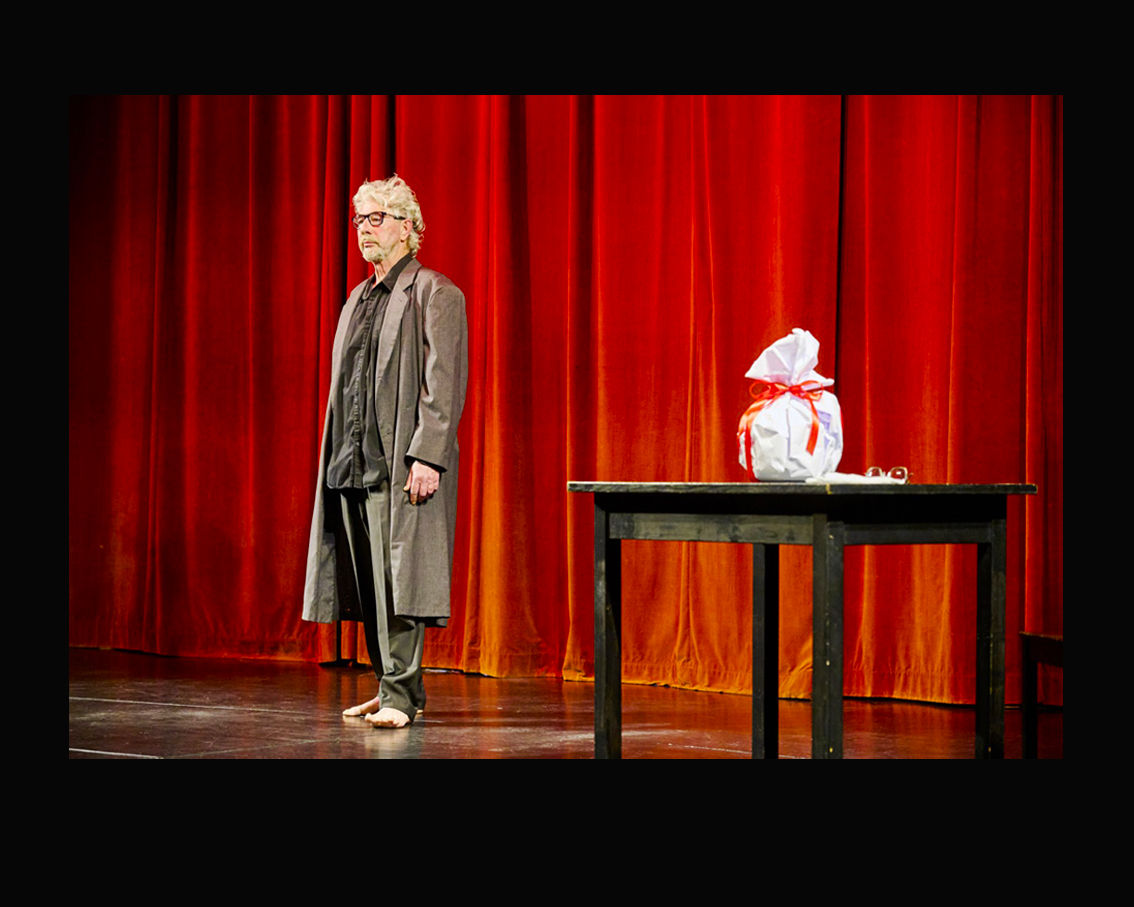
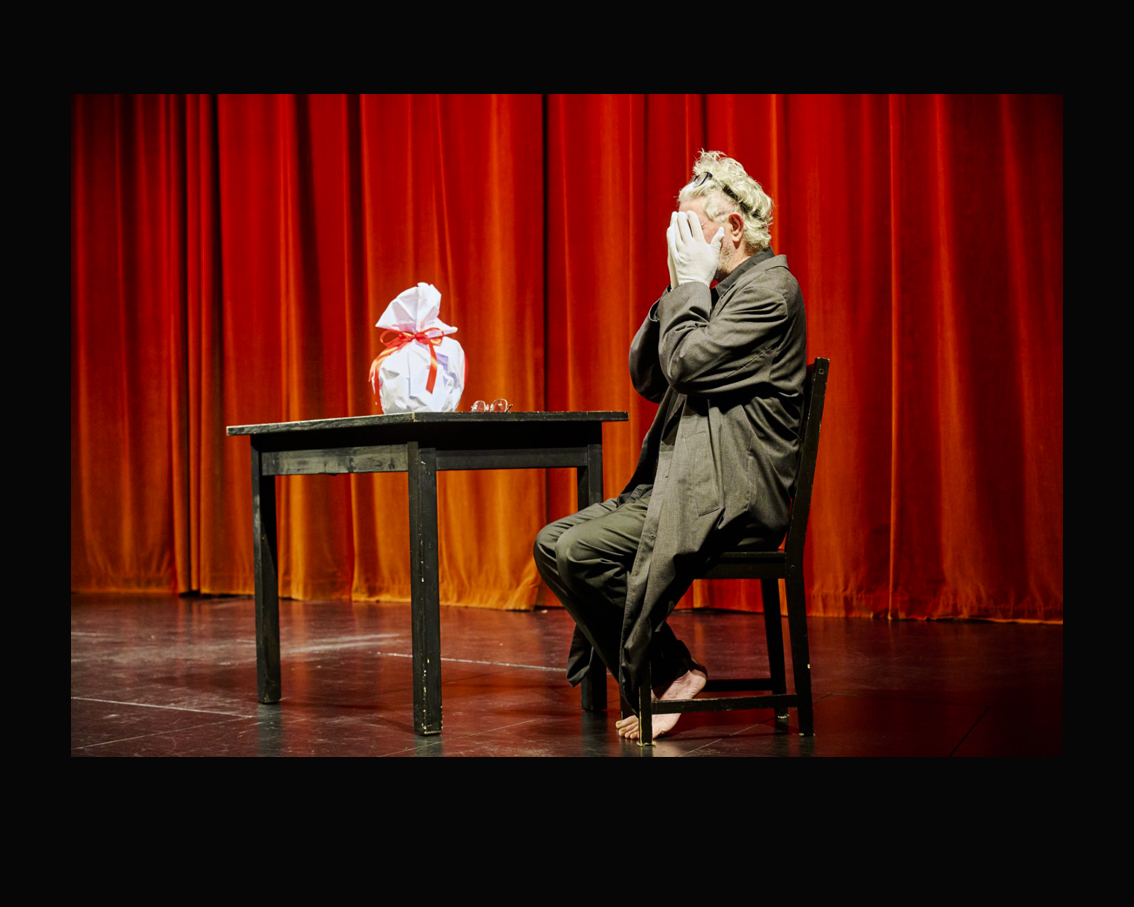
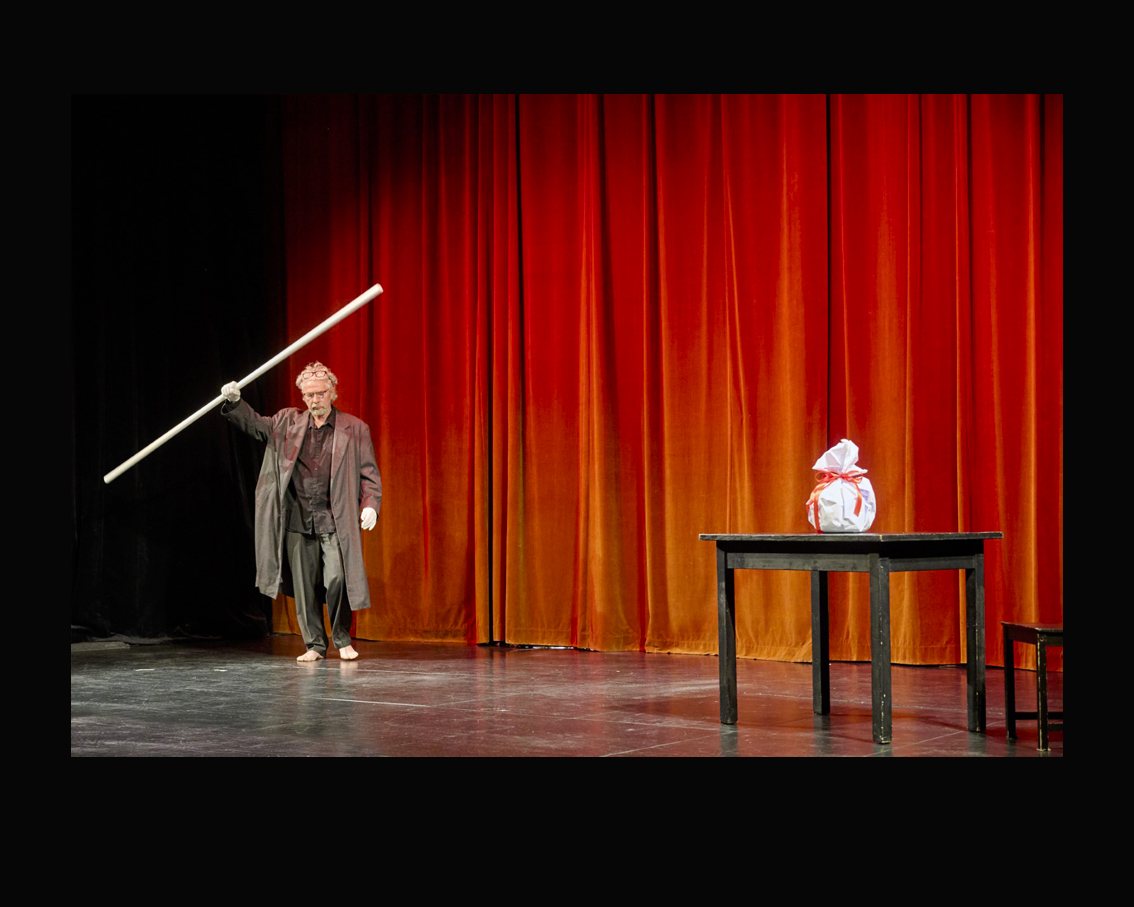
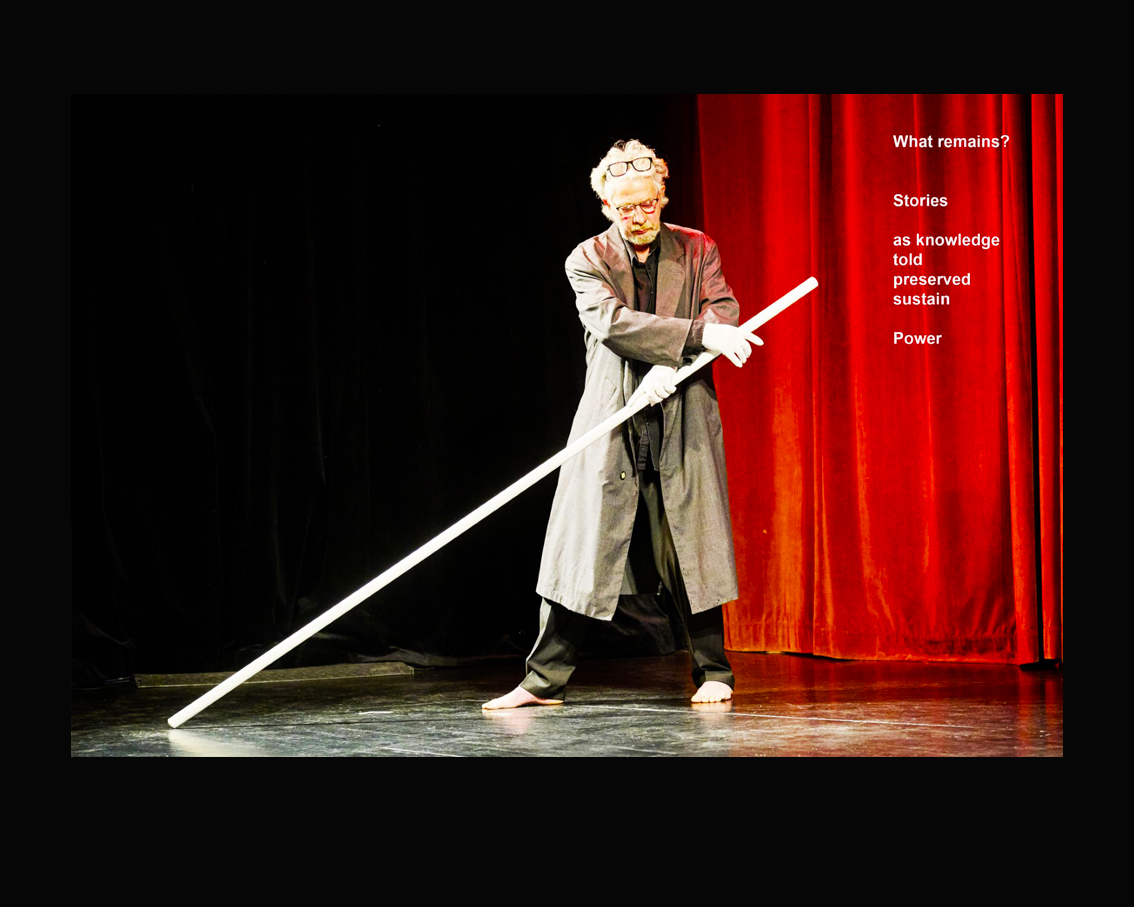
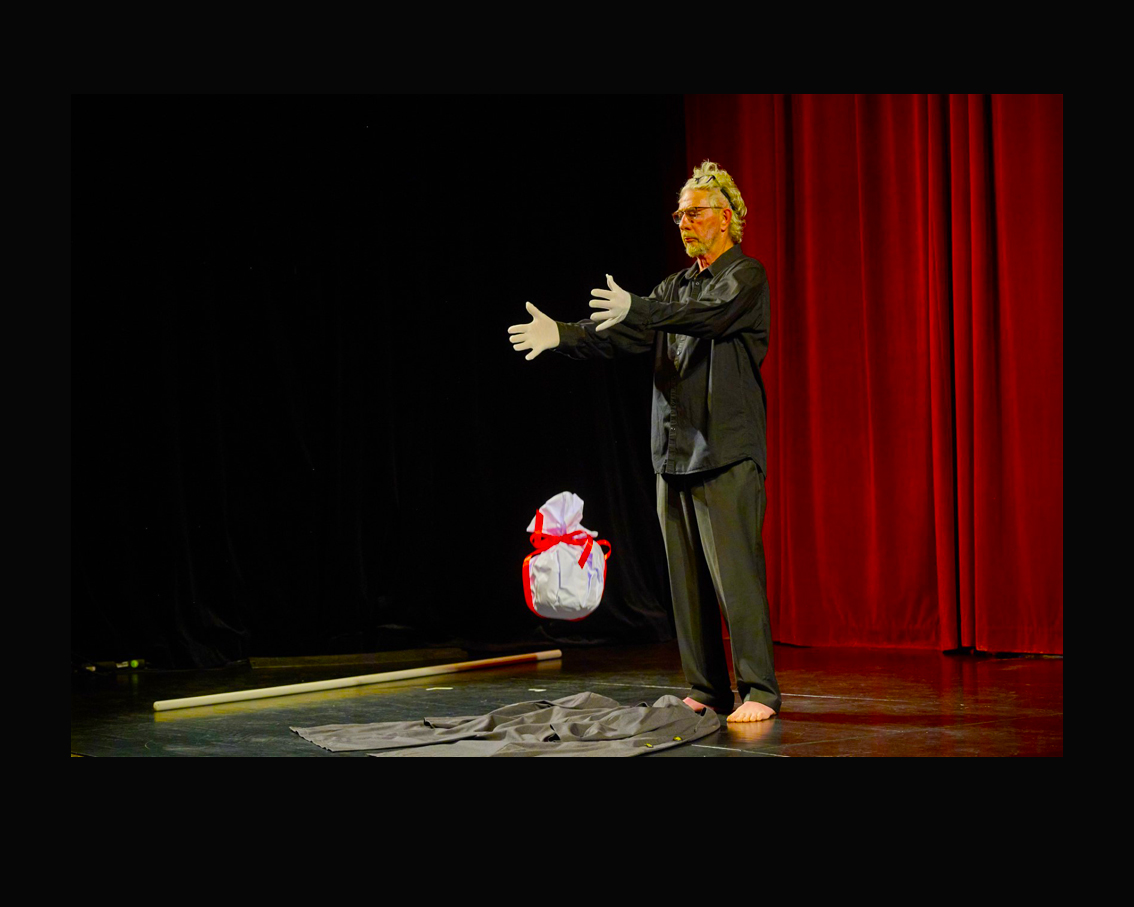
Performance 10.05.2026 – Ernst-Barlach-Theater. Güstrow
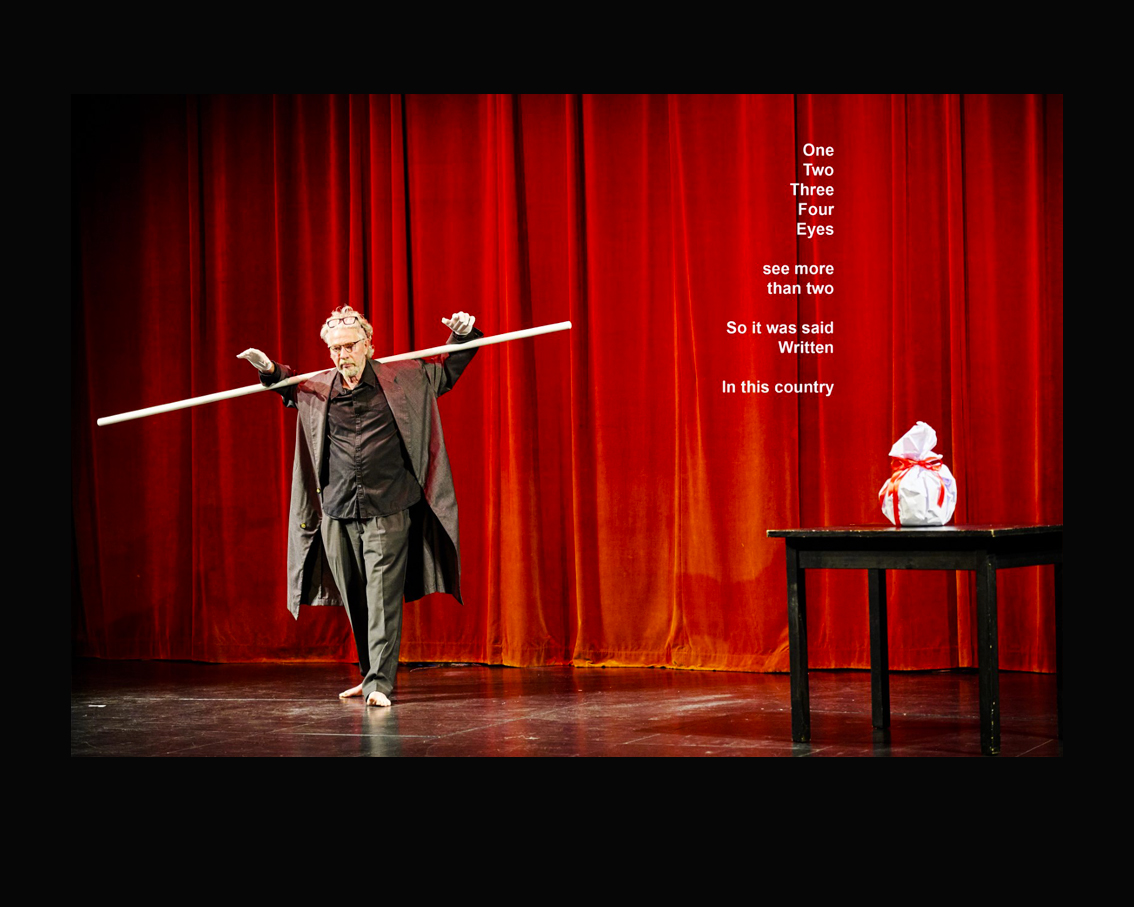
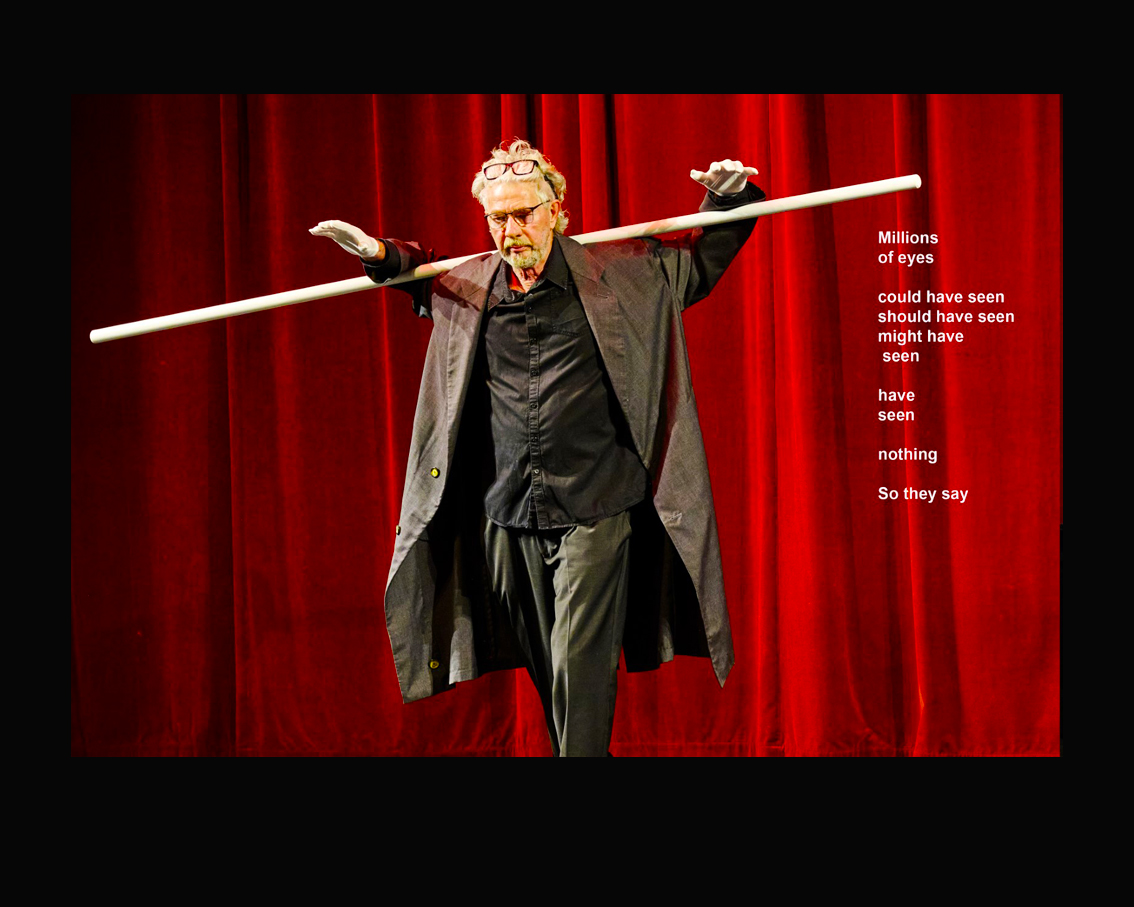
“The Promise” extends the spatial works into a performative dimension. The performance investigates how reality is created through language, repetition, and collective consent.
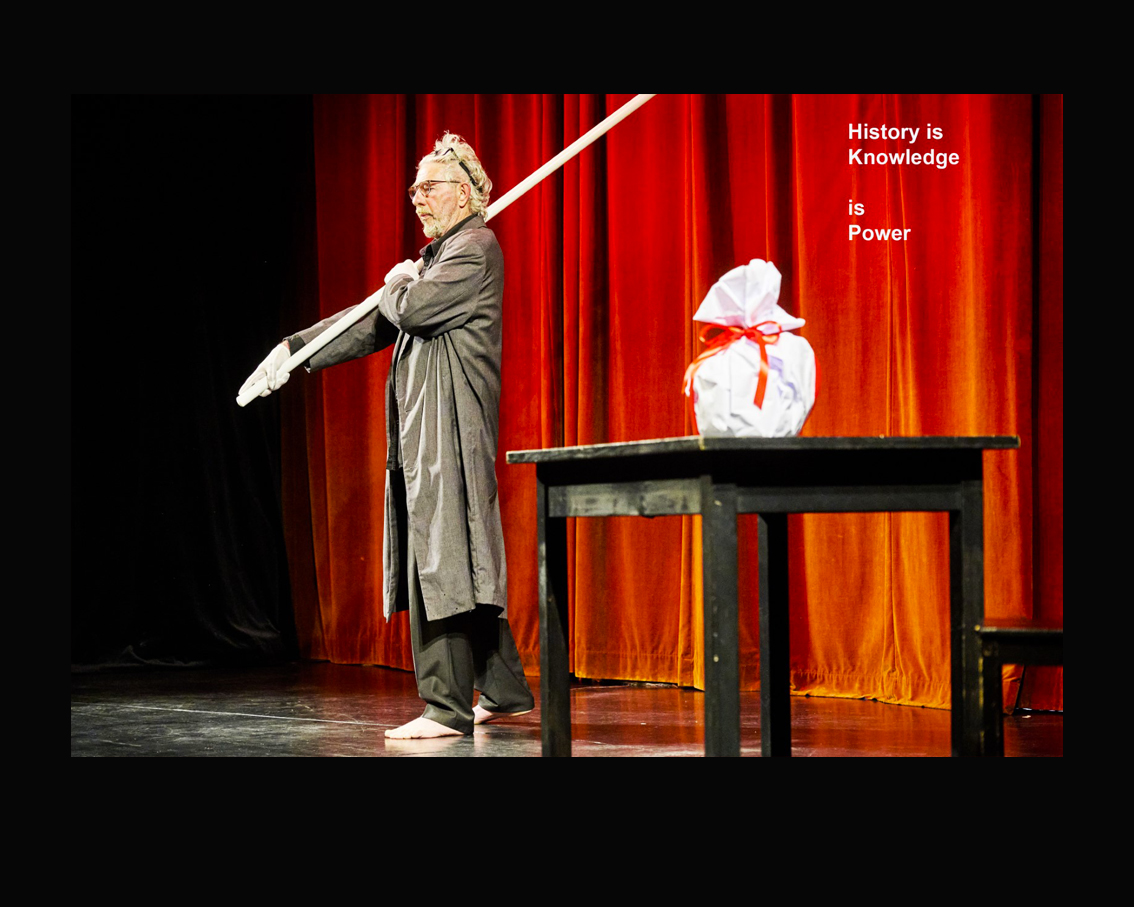
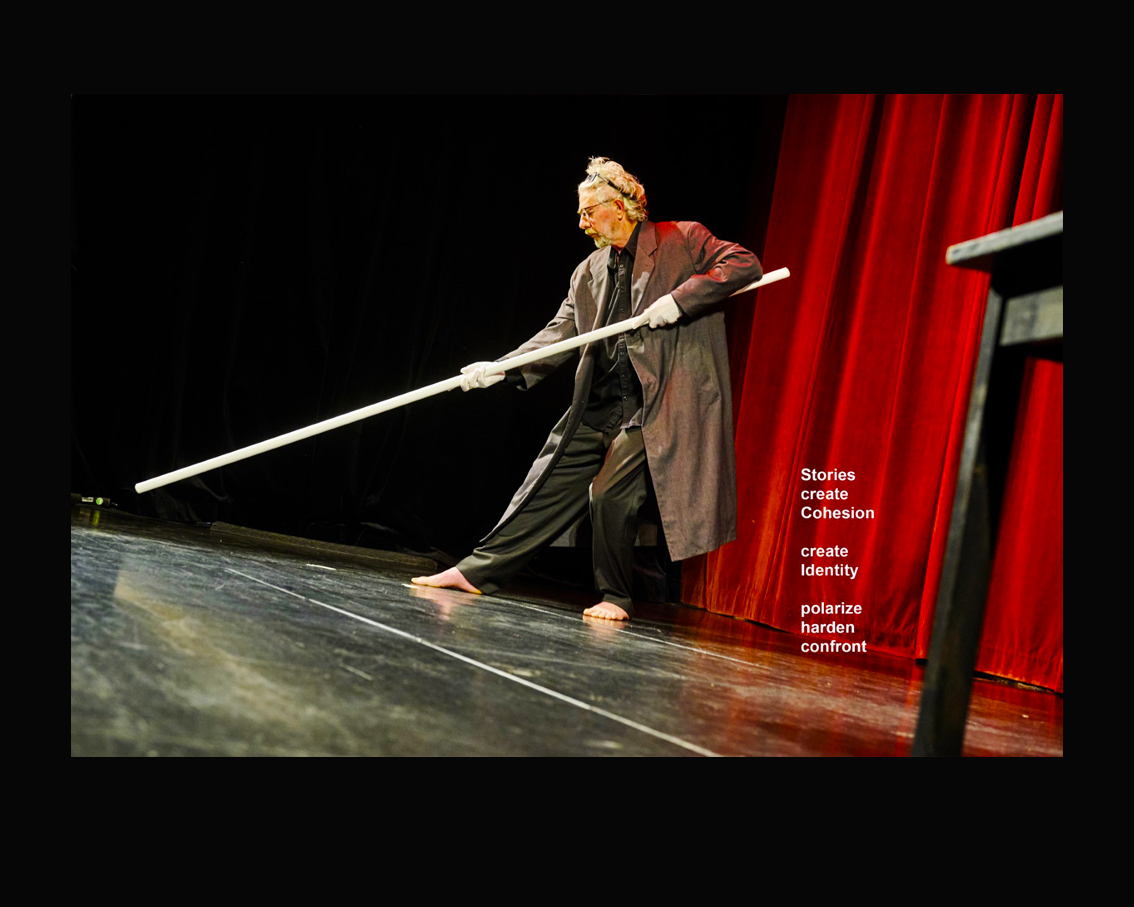
In a reduced sequence of images and language, the work develops from a calm verbal proposition into an increasing physical intensification. Ritualized actions, fragmented texts, stadium chants, machine rhythms, and choral fragments generate a condition between individual perception and collective history.
At its core lies the experience that stories produce knowledge, and knowledge becomes power. Repeated narratives shape identities, nations, and social realities—regardless of whether they are true or false.
The breaking of a package presented as a gift marks the collapse of a social promise. What remains are shards, sound, and emptiness.
The performance does not tell a story in the classical sense. It creates an experiential space in which the mechanisms of memory, power, and social construction become directly perceptible.
Chapter 4 – EPILOGUE
A broken promise does not disappear.
Circumstances turn reality around.
The one who trusted becomes guilty,
required to prove their innocence.
What remains?
The refreshing sound
of shattering shards.